
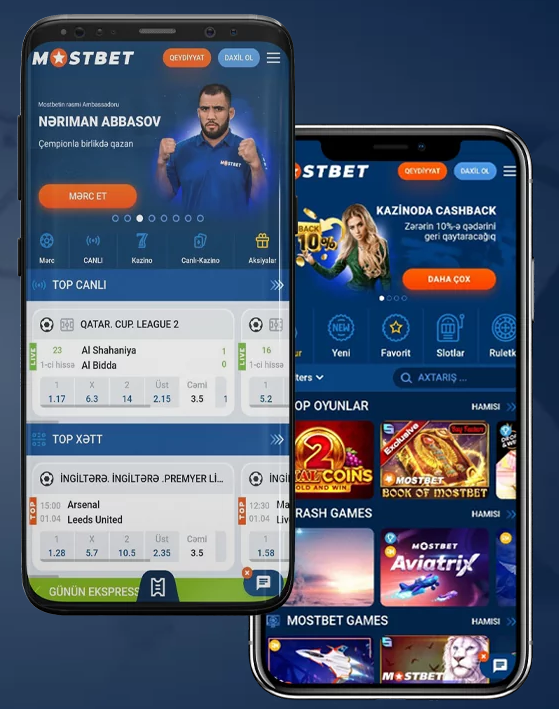
The Legal Aspects of Online Casinos
The online casino industry is a booming sector of the gaming market, driven by technological advancements and the growing popularity of internet gambling. However, the legal landscape surrounding online casinos is complex and varies widely from one jurisdiction to another. Understanding the legal aspects is crucial for both operators and players to navigate potential pitfalls. For those interested in online betting, platforms like Legal Aspects of Online Casino Gambling in Bangladesh in 2026 Mostbet bd offer an insight into how regulations impact user experience and security.
1. Jurisdictional Challenges
One of the primary legal challenges for online casinos is jurisdiction. Unlike traditional casinos, which are confined to specific geographical locations, online casinos can operate across multiple jurisdictions simultaneously. This raises questions about which laws apply to which operations, especially when a player from one country engages with a casino registered in another country.
Regulatory agencies in various countries enforce different laws. Some countries have embraced online gambling, providing clear regulations and licensing requirements, while others have outright banned any form of online gambling. A comprehensive understanding of where an online casino is licensed to operate is crucial for players and operators alike.
2. Licensing Requirements
Licensing is a fundamental aspect of running an online casino legally. Most reputable online casinos hold licenses from recognized regulatory bodies, which ensure that they operate fairly and transparently. Common licensing authorities include:
- The Malta Gaming Authority (MGA)
- The United Kingdom Gambling Commission (UKGC)
- The Gibraltar Regulatory Authority
- The Isle of Man Gambling Supervision Commission
These authorities impose stringent conditions on operators, including financial audits, fair game practices, responsible gambling measures, and player protection protocols. Players are advised to check whether an online casino is properly licensed before engaging in any gambling activities.
3. Anti-Money Laundering (AML) Regulations
Online casinos are susceptible to money laundering activities due to the nature of the transactions involved. As a result, many jurisdictions require online casinos to implement strict anti-money laundering (AML) protocols. These measures are designed to prevent funds derived from illegal activities from entering the legal financial system.
Operators are typically required to verify the identity of their players (KYC – Know Your Customer policies), monitor transactions, and report suspicious activities to the relevant authorities. Compliance with AML regulations is not just a legal obligation but also an ethical responsibility towards players and the broader financial system.

4. Responsible Gambling Regulations
Responsible gambling is a critical component of the legal framework surrounding online casinos. Many jurisdictions require operators to implement measures to promote responsible gambling practices. This includes providing information on problem gambling, offering self-exclusion options, and encouraging players to set limits on their spending.
Failing to adhere to responsible gambling regulations can lead to severe penalties, including the revocation of an operator’s license. Additionally, promoting a safe and secure gambling environment is essential for maintaining player trust and protecting vulnerable individuals.
5. Consumer Protection Laws
Consumer protection laws vary significantly across different jurisdictions, but most aim to ensure fairness and transparency in gaming operations. Players must be informed about the terms and conditions of their engagement with online casinos, including payout percentages, bonus offers, and withdrawal policies.
Some jurisdictions have enacted specific legislation to protect players’ interests. For instance, the UK has established consumer rights that mandate fair advertising, transparent communication, and reasonable terms for bonuses and promotions. Operators that fail to comply with these laws can face fines, legal actions, and even loss of their gaming licenses.
6. Taxation on Winnings
Another critical legal aspect involves the taxation of gambling winnings. In many jurisdictions, winnings from online gambling are subject to taxation. The rules governing tax obligations can differ significantly, with some countries implementing a flat tax rate on winnings while others treat gambling income as regular taxable income.
Players need to be aware of their tax obligations in their country of residence when playing in online casinos hosted in other jurisdictions. Failure to report gambling winnings can lead to serious legal ramifications, including penalties and potential legal action.
7. Conclusion
As the online casino industry continues to grow, the legal landscape surrounding it will undoubtedly evolve. Players and operators must stay informed about the legal aspects of online gambling to ensure compliance and protect their interests. Understanding jurisdictional nuances, licensing requirements, and consumer protections is essential for a safe and enjoyable online gambling experience.
Ultimately, the integration of technology in gambling brings wonderful opportunities as well as challenges. Continuous dialogue between regulators, operators, and the player community is key to fostering a greener online gambling environment.
