

The Exciting World of Roulette Casinos
If you’re looking for an exhilarating gaming experience, look no further than roulette casinos. This classic game of chance has captivated players for centuries, combining strategic elements and luck in a way that few other games can. In this article, we will delve into the different types of roulette, essential strategies, and the history behind this popular casino game. Whether you’re a seasoned player or a beginner, there’s something to learn for everyone.
The History of Roulette
The origins of roulette can be traced back to 17th century France, where it was developed from various games of chance. The word “roulette” itself means “little wheel” in French. The first version of the game was played with a wheel containing numbers ranging from 1 to 36, and it gradually evolved into the roulette we know today, which includes both American and European variations.
The game became popular in casinos throughout Europe, and by the late 19th century, it had made its way across the Atlantic to the United States. The introduction of the double zero in the American version of roulette increased the house edge, making it different from its European counterpart, which only features a single zero.
Types of Roulette
There are three primary types of roulette: American, European, and French. Each version has its distinct characteristics, making them unique in their own right.
American Roulette
American roulette features 38 pockets: numbers 1 through 36, as well as a single zero (0) and a double zero (00). This extra pocket increases the house edge to about 5.26%, making it less favorable for players compared to its European counterpart.
European Roulette
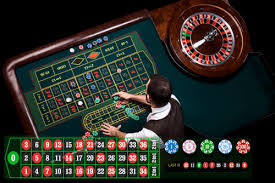
European roulette has 37 pockets, consisting of numbers 1 through 36 and a single zero (0). The absence of the double zero means that the house edge is reduced to approximately 2.7%, giving players a better chance of winning compared to American roulette.
French Roulette
French roulette is quite similar to European roulette, but it offers additional rules such as “La Partage” and “En Prison,” which can benefit players if the ball lands on zero. The house edge remains the same as European roulette at around 2.7%, but with these additional rules, players can enjoy a more favorable gaming experience.
Understanding the Betting Options
Roulette offers a wide range of betting options, making it appealing to different kinds of players. These bets can generally be divided into two categories: inside bets and outside bets.
Inside Bets
Inside bets are placed on specific numbers or small groups of numbers on the inner part of the roulette layout. These bets typically have higher payouts but come with greater risk due to lower odds of winning. Some common inside bets include:
- Straight Bet: A bet placed on a single number, paying 35 to 1.
- Split Bet: A bet placed on two adjacent numbers, paying 17 to 1.
- Street Bet: A bet placed on three consecutive numbers in a row, paying 11 to 1.
- Corner Bet: A bet placed on four numbers forming a square, paying 8 to 1.
Outside Bets
Outside bets are placed on larger groups of numbers or colors, offering better odds of winning but lower payouts. These bets are suitable for players looking to minimize risk. Common outside bets include:
- Red or Black: A bet on the color of the winning number, paying 1 to 1.
- Even or Odd: A bet on whether the winning number will be even or odd, paying 1 to 1.
- High or Low: A bet on whether the winning number will fall within the range of 1-18 (low) or 19-36 (high), paying 1 to 1.
- Dozen Bet: A bet on one of three dozen (1-12, 13-24, 25-36), paying 2 to 1.
Strategies for Winning at Roulette
While roulette is primarily a game of chance, employing some strategies can help you manage your bankroll and potentially increase your winnings. Here are a few popular strategies:
The Martingale Strategy
This popular betting strategy involves doubling your stake after every loss and returning to the original bet after a win. The idea is that eventually, a win will cover previous losses. However, be cautious, as this strategy can lead to significant losses if you hit a long losing streak.
The Fibonacci Strategy
Based on the famous Fibonacci sequence, this approach involves increasing your bet according to the sequence after a loss and decreasing it after a win. While it doesn’t eliminate the house edge, it helps manage risk and provides a structured betting approach.
The D’Alembert Strategy
In this strategy, players increase their bet by one unit after every loss and decrease it by one unit after every win. This method is less aggressive than the Martingale system and can be a safer way to play.
The Social and Psychological Aspects of Roulette
Roulette is not just about money; it’s also a social experience that brings people together in a thrilling environment. The excitement of watching the wheel spin and the anticipation of where the ball will land can create a shared energy among players.
Additionally, understanding the psychological factors at play can help improve your gameplay. Many players experience the “gambler’s fallacy,” believing that past results influence future outcomes. However, in roulette, every spin is independent, and there is no way to predict where the ball will land based on previous spins.
Conclusion
Roulette casinos offer an incredible blend of excitement, strategy, and social interaction. Understanding the different types of roulette, betting options, and strategies can enhance the gaming experience for both beginners and seasoned players. Remember that while luck plays a significant role, employing thoughtful strategies can help manage your bankroll and potentially lead to winning sessions. Whether you’re playing in a physical casino or online, the thrill of roulette is undeniable. So, place your bets wisely, enjoy the ride, and may fortune be in your favor!